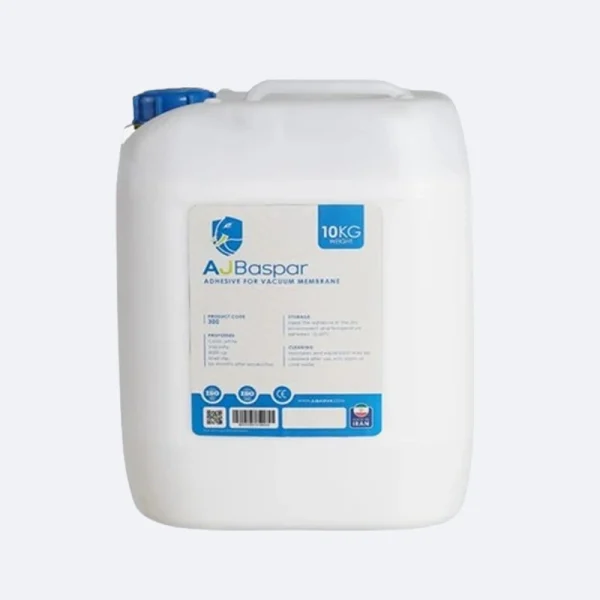
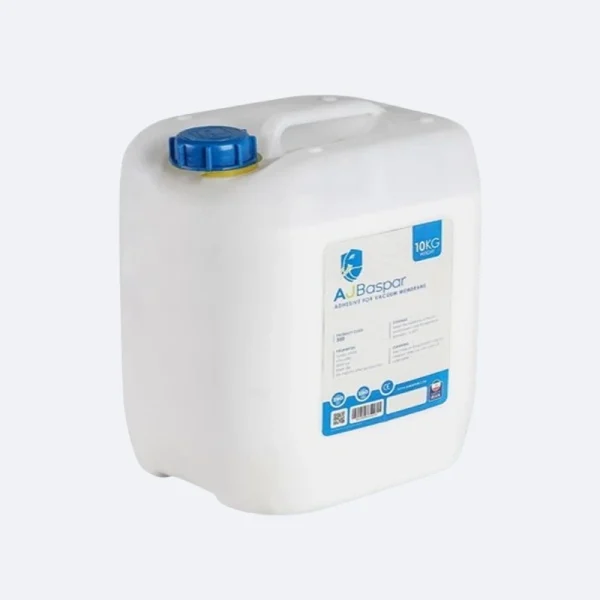
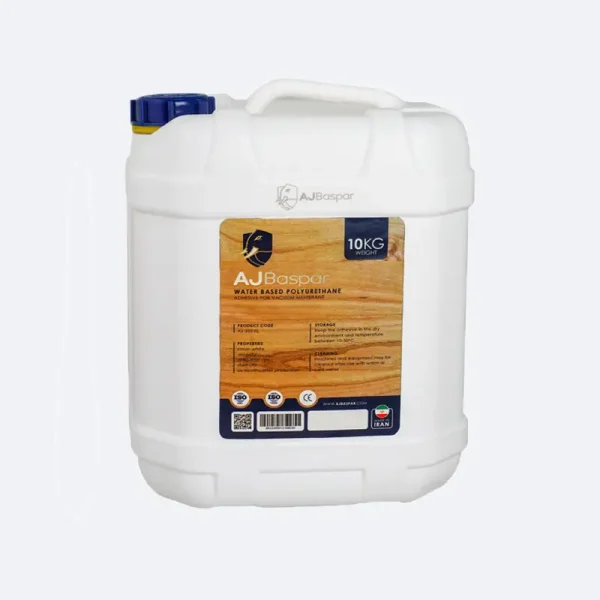
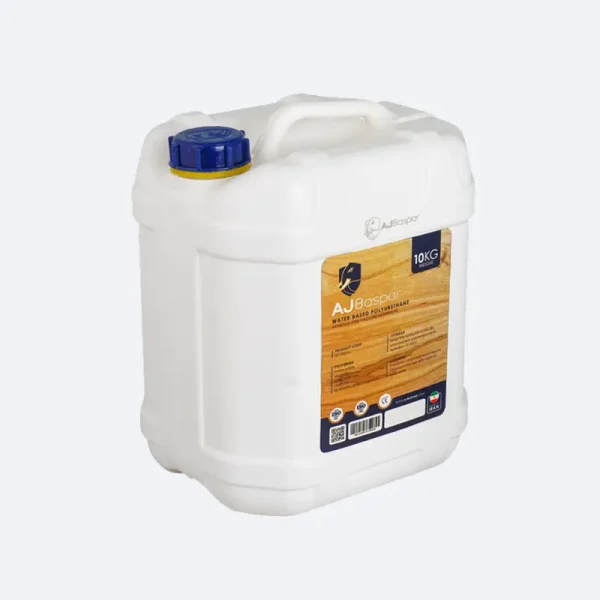
Interior decoration industry products
-


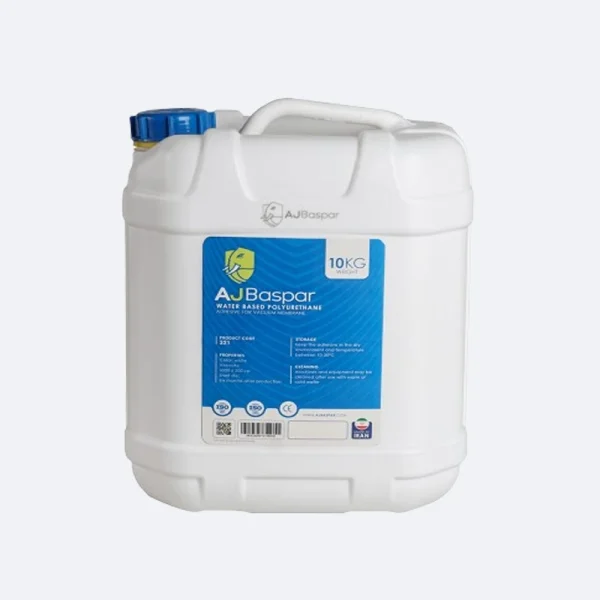
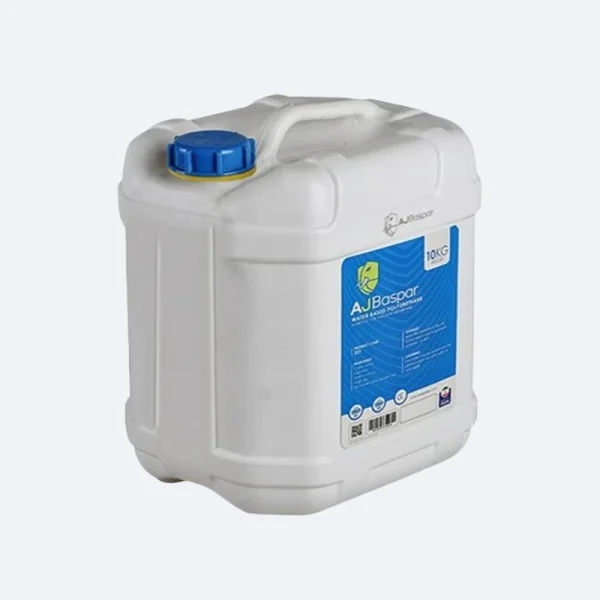
AJ Baspar vacuum membrane adhesive Code number 321Interior decoration industry
More information -


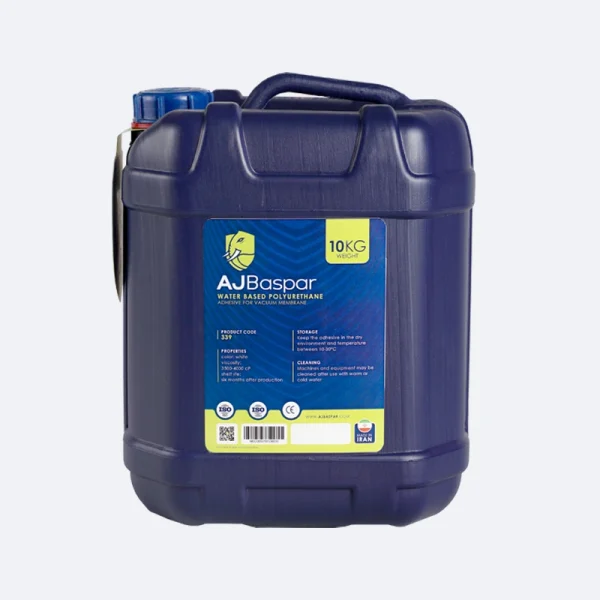
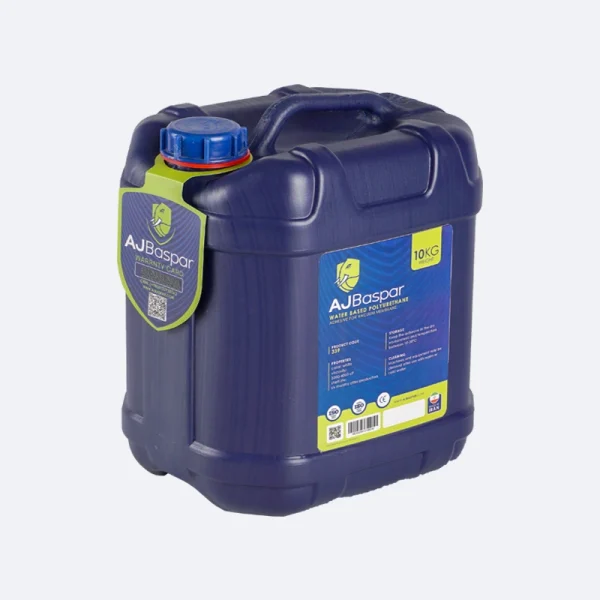
AJ Baspar vacuum membrane adhesive Code number 339Interior decoration industry
Rated 5.00 out of 5More information -


AJ Baspar vacuum membrane adhesive Code number 357Interior decoration industry
Rated 4.00 out of 5More information -


AJ300 Water-Based Acrylic Vacuum Pressing AdhesiveInterior decoration industry
Rated 5.00 out of 5More information -


AJ330-FL vacuum membrane adhesiveInterior decoration industry
More information
FAQ
No, the issue is not related to adhesive quality. During spraying, the air pressure should be adjusted between 3 to 4 bar, depending on the viscosity level. Spraying should be done gently from a distance of 20 cm onto the surface for optimal results.
Viscosity is not directly related to the quality of the adhesive used. The only factors that truly impact adhesive quality are the type and percentage of solid content. Viscosity merely determines the appropriate spray gun nozzle type and the required air pressure settings. As long as the air pressure and spraying distance are properly adjusted, viscosity will not affect adhesive performance or consumption.
Every adhesive consists of a solvent and a primary bonding component. The adhesive strength depends on the amount and type of this primary component, which is dispersed in the solvent as solid particles.
The solid content refers to the proportion of the primary bonding component that remains after the solvent has evaporated, and it is expressed as a percentage. Most standard adhesives on the market have a solid content of around 50%, meaning that in one kilogram of adhesive, approximately 500 grams are the active bonding material, and the remaining 500 grams are water or solvent.
Naturally, the higher the solid content, the greater the amount of bonding agent present, which ultimately increases the adhesive’s bonding strength.
It is important to note that solid content has no correlation with viscosity (i.e., how thick or thin the adhesive is). Many operators mistakenly consider viscosity a measure of adhesive quality, which is misleading. As mentioned earlier, viscosity is only relevant for adjusting the air pressure of the spray gun during application and does not affect the bonding performance of the adhesive.

Polyurethane and acrylate adhesives differ in their chemical bonding mechanisms and adhesive performance. Polyurethane adhesives, due to their unique polymer structure, are heat-activated and provide an ideal level of adhesion. They offer significantly higher quality in terms of spray ability, heat resistance, and stability against water and chemicals under various environmental conditions compared to acrylates.
Therefore, polyurethane adhesives are the preferred choice for vacuum membrane pressing applications in industrial settings.
It is also important to note that polyurethane and acrylate adhesives are visually indistinguishable, and specialized laboratory testing is required to accurately differentiate between them.
Products
-
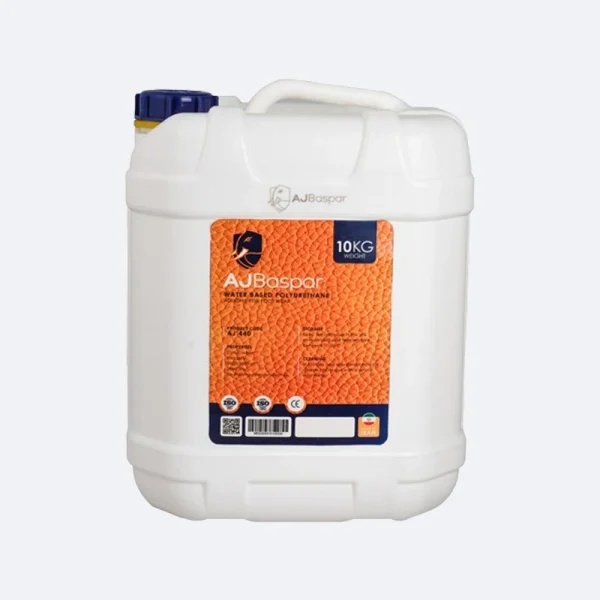
Waterborne Polyurethane Dispersion (PUD)
-
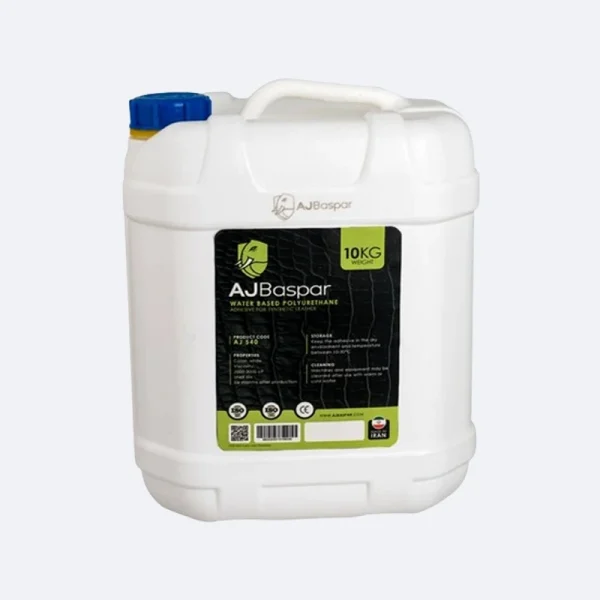
Waterborne Polyurethane Adhesive for Footwear
-
AJ330-FL vacuum membrane adhesive
-
Water-Based Polyurethane Adhesive for Synthetic Leather Production
-
Aj Baspar Sports Ball Adhesive
-
AJ300 Water-Based Acrylic Vacuum Pressing Adhesive
Rated 5.00 out of 5 -
AJ Baspar vacuum membrane adhesive Code number 321
-
AJ Baspar vacuum membrane adhesive Code number 339
Rated 5.00 out of 5